Moringa vs. Spirulina: Which Green Superfood Actually Wins?
I remember standing in the supplement aisle of my local organic store, staring at two different shades of green. In one hand, I had a bag of moringa oleifera, and in the other, a jar of spirulina.
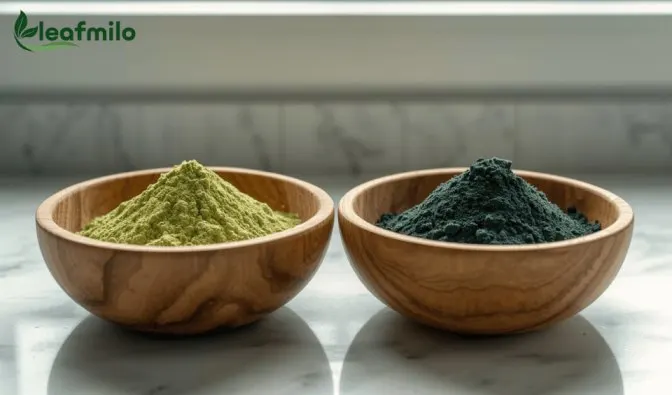
The labels both promised “miracle” results. They both looked like pond water when mixed. And honestly, they both smelled like a mown lawn. I stood there for ten minutes wondering: moringa vs spirulina—which is better?
If you are like me, you don’t want to waste money on something that doesn’t work. After using both for months, I’ve realized that while they look similar, they are completely different beasts. One is a land-based tree leaf, and the other is a water-based algae. In this guide, I’m breaking down the moringa vs spirulina nutritional comparison so you can decide which one deserves a spot in your kitchen.
Moringa Powder vs. Spirulina: The Source
Before we get into the “battle,” let’s look at where they come from.
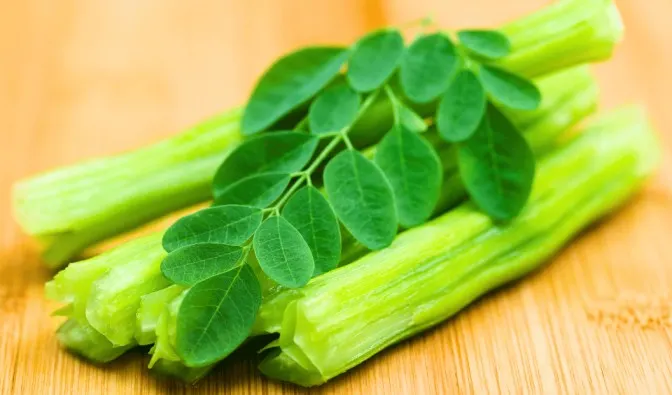
- Moringa: It’s a tree. We dry the leaves and grind them. It’s a whole food, 100% plant-based, and very “earthy.”
- Spirulina: It’s actually a type of cyanobacteria (blue-green algae) that grows in water. It’s one of the oldest life forms on Earth.
When comparing spirulina powder vs moringa powder, you are essentially choosing between the “Earth” and the “Sea.”
Moringa vs Spirulina Nutritional Comparison: The Numbers
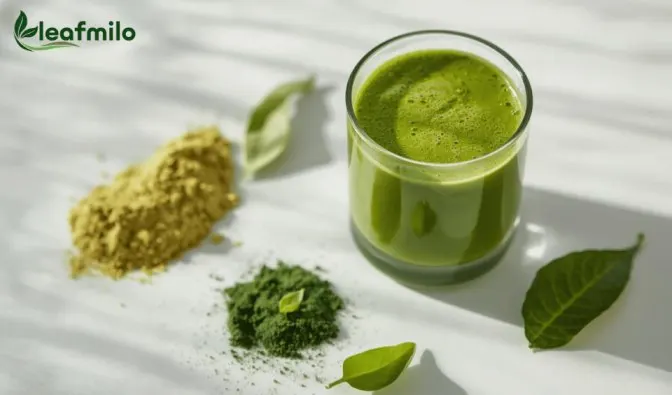
This is where things get interesting. I did a deep dive into the data to see how they stack up. Here is what I found:
1. Protein Content
If you are an athlete (like I discussed in my guide on Moringa for Athletes), protein is king.
- The Winner: Spirulina. Gram for gram, spirulina has more protein than moringa. It’s about 60-70% protein by weight.
2. Vitamin C and Minerals
- The Winner: Moringa. Moringa absolutely crushes spirulina when it comes to Vitamin C, Vitamin A, and Calcium. If you want to boost your immunity or bone health, the tree leaf is your best friend.
3. Iron and Blood Health
Both are incredible for iron, which is rare for plants. However, in the moringa powder vs spirulina fight, spirulina has a slight edge in “bioavailable” iron, meaning the body absorbs it very quickly.
The Taste Test (The Honest Human Part)
Let’s be real. Nobody drinks these for the taste.
- Moringa: Tastes like spicy spinach or horseradish. It’s earthy but manageable.
- Spirulina: Tastes like… the ocean. It has a very strong “fishy” or “seaweed” aftertaste that is very hard to hide.
In my experience, moringa powder is much easier to fit into a daily routine because it blends better with savory foods and smoothies. Spirulina can easily ruin the taste of a good fruit bowl if you aren’t careful.
Moringa vs Spirulina vs Matcha: A Third Challenger?
Sometimes people throw matcha into the mix. In the battle of moringa vs spirulina vs matcha, it really comes down to caffeine.
- Matcha is for energy and focus (it has caffeine).
- Moringa and Spirulina are for pure nutrition and recovery (caffeine-free).
If you want a morning boost, go for Matcha. If you want to repair your body, stick to the other two.
Moringa vs Spirulina Benefits: Which One for Your Goal?
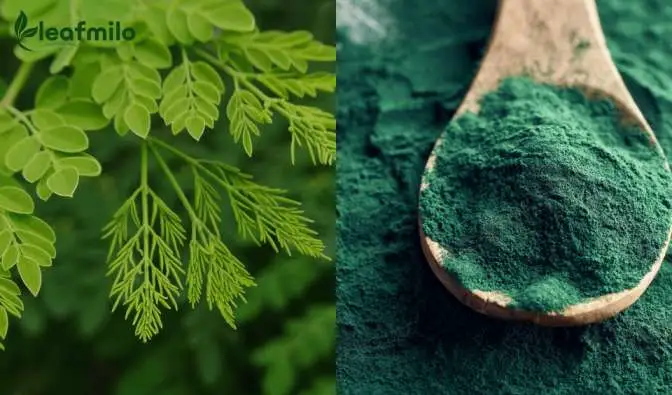
To make it easy for the LeafMilo community, I’ve categorized them by what they actually do for you:
Choose Moringa If…
- You want better skin and hair. The Vitamin C and E in moringa are superior for beauty.
- You struggle with digestion. Moringa has more fiber than spirulina.
- You need immune support. Its Vitamin C levels are massive compared to algae.
Choose Spirulina If…
- You are a heavy weightlifter. The extra protein and B12 are great for muscle mass.
- You are fighting heavy metal toxicity. Spirulina is famous for “detoxing” the body from pollutants.
- You have allergies. Some studies show spirulina is great at reducing hay fever symptoms.
Can You Take Both Together?
I get this question a lot. The answer is yes, but be careful. Both are very “cleansing.” If you take a full dose of both on the same day, you might spend a lot of time in the bathroom!
I personally rotate them. I use moringa for 5 days a week for my general health and hair growth, and I save spirulina for my heavy “leg days” at the gym when I need that extra hit of algae protein.
Nutritional Showdown Table
| Nutrient (per 10g) | Moringa Powder | Spirulina Powder |
| Protein | ~2.5g | ~6.0g |
| Fiber | ~2.0g | ~0.4g |
| Vitamin A | Very High | Moderate |
| Vitamin C | Extremely High | Low |
| Taste Profile | Earthy / Peppery | Seaweed / Fishy |
| Best For | Skin, Hair, Digestion | Muscles, Detox, Iron |
Final Verdict: Moringa vs Spirulina Which is Better?
If I could only pick one for the rest of my life, I would choose Moringa.
Why? Because it’s a more “complete” multivitamin. It covers your vitamins, minerals, and fiber in one go. Plus, it doesn’t make my kitchen smell like a fish tank! However, if you are a high-performance athlete, spirulina is a very close second.
At the end of the day, the moringa vs spirulina benefits are both so high that you can’t really “lose.” It’s just about finding the one that your body (and your taste buds) likes best.
Quick Answers
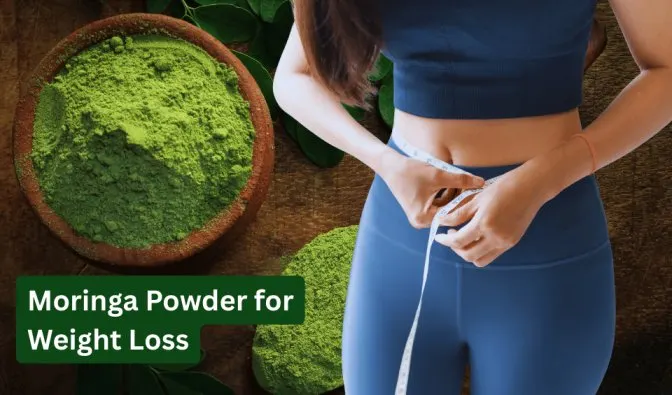
Moringa vs spirulina: which is better for weight loss? Moringa is generally better for weight loss because it contains significantly more fiber than spirulina. This fiber helps you feel full for longer and prevents overeating. Moringa also helps regulate blood sugar levels, which reduces sugar cravings.
Does spirulina have more protein than moringa? Yes. Spirulina is roughly 60-70% protein by weight, making it one of the most protein-dense foods on the planet. While moringa is also a great source of plant protein, it cannot match the sheer volume found in spirulina.
Which has more iron: moringa or spirulina? Both are excellent sources of iron, but spirulina typically contains more iron per gram. However, moringa contains high amounts of Vitamin C, which is essential for the body to actually absorb and use that iron effectively.
Moringa vs spirulina vs matcha: what are the differences? Moringa and spirulina are nutrient-dense supplements used for vitamins and minerals. Matcha is a powdered green tea used primarily for its high antioxidant content and natural caffeine boost. Matcha provides mental focus, while moringa and spirulina focus on physical recovery.